1975-76 FA Cup · The Final
1976 FA Cup Final: Southampton 1-0 Manchester United
Saints in Yellow
A contemporary match report overturns the lazy smash-and-grab version of Southampton's upset and reveals an organised plan that repeatedly produced the same winning route.
Southampton did not steal the cup with one isolated break. The contemporary report shows how Lawrie McMenemy's Second Division side created more chances, controlled United's danger points and then took the opening they had rehearsed.
Saturday 1 May 1976 · Wembley Stadium
What you will not find elsewhere
The contemporary account rejects the smash-and-grab version
The giant-killing shorthand can make Southampton's winner sound like their only attack. David Lacey's report from Wembley says the opposite: Southampton created more scoring opportunities, and it records McCalliog releasing Channon through the same central space before the winning pass to Stokes. Lawrie McMenemy later added the detail that preserved the move in his annual exchanges with United's captain: "It was Buchan who played Bobby onside." The late goal completed a repeated plan rather than rescuing a purely defensive performance.[1][10][2]
The winner does not have one uncontested minute label
The Guardian's later McMenemy interview and 11v11's narrative call Stokes's goal the 83rd-minute winner, while the Guardian's report published immediately after the match says it came in the 84th minute and 11v11's event row displays 82. This record uses the widely adopted 83rd-minute convention but preserves the alternatives instead of pretending the archive is unanimous.[1][2][8]
Southampton played one more cup match on the road to Wembley
Southampton needed seven matches before the final because Aston Villa and West Bromwich Albion both forced replays. United needed six, with only Wolverhampton Wanderers taking them to a replay. The lower-division side therefore reached Wembley through the heavier match workload as well as the less celebrated league campaign.[11][13][14]
The Wembley crowd was 99,115, not a literal 100,000
Season and finals tables often print a rounded 100,000 for Wembley in this period. The dedicated match records from 11v11 and MUFCInfo both give 99,115. The precise figure is used here, while the rounded archival convention is acknowledged rather than silently treated as a second attendance.[8][9][12]
The footage
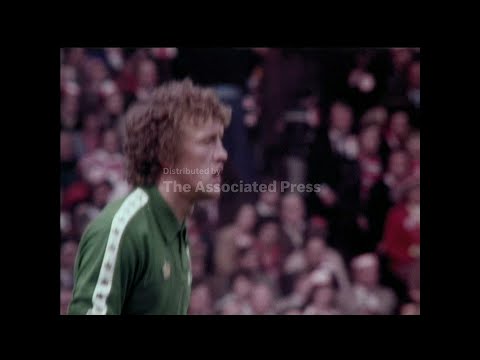
This film is genuine and officially published, but the rightsholder has switched off embedding, so it cannot play inside the page. Watch it on British Movietone.
The match report
The gap in reputation looked enormous. Manchester United were finishing third in the First Division after a season of fast, adventurous football; Southampton had finished sixth in the Second Division and arrived at their first Wembley final without a major trophy. Predictions stretched to heavy United victories, and the Football Association's own history later called the result seemingly impossible. Yet the 99,115 spectators did not watch a favourite lay siege to a passive underdog. David Lacey's report, published two days later, judged Southampton better organised and more patient, and explicitly recorded that they created more scoring opportunities.[1][3][8][15]
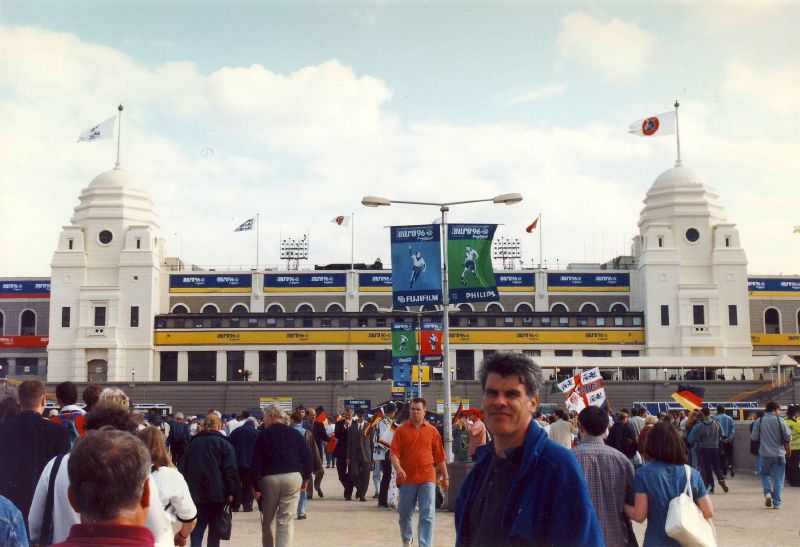
McMenemy's plan was built from direct assignments. Rodrigues and Peach stayed close to Hill and Coppell without needing cover. Holmes remained goal side of Daly. Gilchrist and McCalliog blocked Macari's passes towards the wings. Steele denied Pearson room to turn, while Blyth covered McIlroy. Even Osgood and Channon retreated to make tackles near their own goal. That division of labour protected Southampton without surrendering their forwards as outlets. Their shape is best understood as a compact 4-4-2 whose forwards worked backwards, not as a deep line waiting for luck.[1][8][10]
United did start quickly. Coppell beat Peach on the right, and Turner looked nervous beneath early balls into the area. Pearson and Daly both missed promising openings, while Hill escaped alone only for Turner to deny him. But United were also caught offside four times in a six-minute passage. That detail mattered. Southampton's back line was holding its position, and the favourite's flowing attacks became hesitant once the space behind it kept disappearing.[1][10]
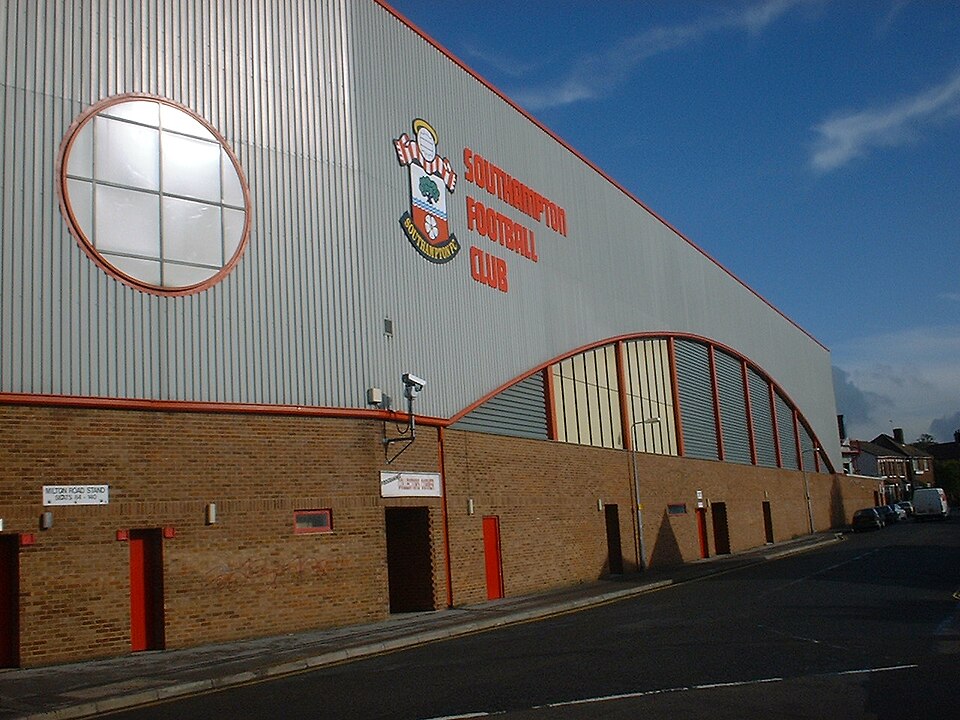
Southampton then demonstrated the move that would decide the final. Past the half-hour, McCalliog dropped a pass beyond United's square defence and released Channon through the centre. Stepney came out and saved. It was not an isolated escape: after the interval McCalliog found Channon in space again, often beyond Buchan's reach. The underdogs had identified that United would not use a sweeper and kept asking the same question of the space behind the centre-backs. Their patience was active: hold the defensive assignments, recover the ball, and immediately look beyond a line that remained square.[1][10]
United's closest answer came on the hour. Hill's corner reached Pearson at the near post, Pearson headed it on and McIlroy climbed to direct his header against the crossbar. Pearson later volleyed wide after a quick return pass from Coppell. Docherty then removed Hill for McCreery in the 66th minute. McMenemy had considered Hill the principal danger, but Rodrigues had contained him; with the winger gone, Southampton's manager felt the balance move further towards his side.[1][2][8]
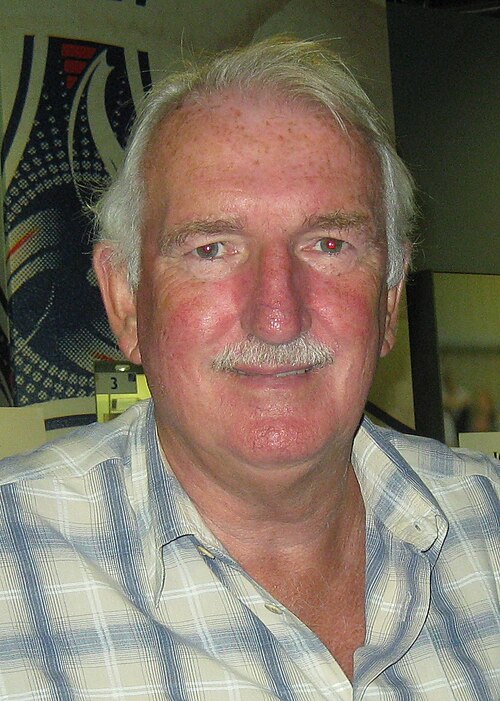
The winner arrived in the 83rd minute by the route Southampton had already exposed. Channon, wide on the right, met a goal kick and played inside to McCalliog. His measured pass dropped over Stokes's left shoulder as United's thin defence stood square. Stokes did not take a settling touch. He struck first time from just outside the penalty area, low across Stepney into the far corner. United claimed offside; McMenemy's enduring answer was that Buchan had played the scorer on.[1][2][3]
The remaining minutes felt far longer to Southampton than they lasted, but United did not recover the incision they had lacked all afternoon. Thomas's whistle confirmed a 1-0 victory and the first major trophy in Southampton's history. Rodrigues lifted the cup in the yellow and blue strip that Saints had worn after losing the colour choice. United's young side would return to Wembley and win the following year's final, but this afternoon belonged to the experienced underdogs who had followed their instructions more precisely.[2][6][7][1]
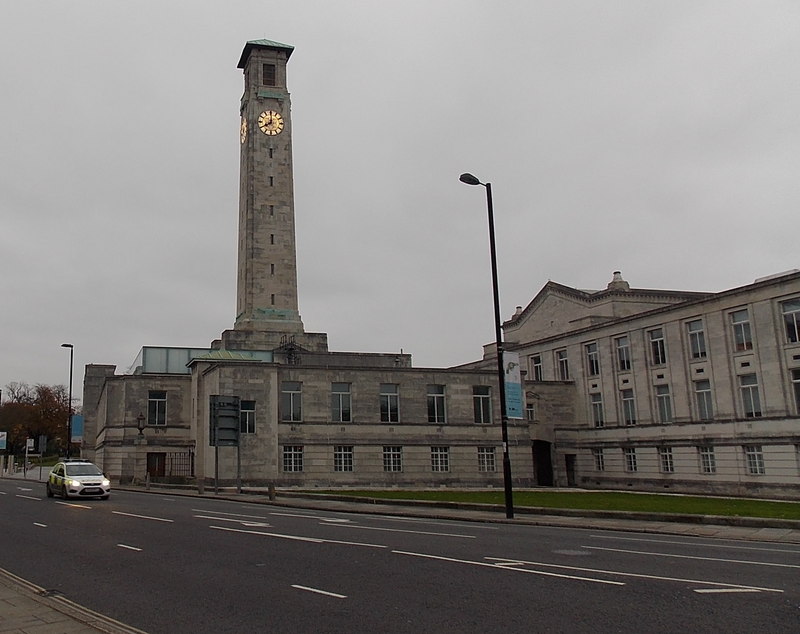
The victory travelled beyond Wembley. Stokes returned to his native Portsmouth to red-and-white bunting, while Southampton's streets filled for the team parade. McMenemy remembered the open-top bus route taking four and a half hours and supporters packed around the Guildhall. Half a century later, Channon said the win had changed the whole city, and Southampton still describes it as the greatest achievement in the club's history. That scale of memory fits the football: not a random late goal, but the day a team given no chance repeatedly created one exact chance until Stokes took it.[3][2][4][5]
How the match unfolded
- opening minutesSteve Coppell gets beyond David Peach on United's right, while Ian Turner begins uncertainly when handling early crosses.[1]
- early first halfUnited are caught offside four times in a six-minute spell. Southampton's organised line begins to blunt the favourites' fast attacks.[1]
- first halfStuart Pearson and Gerry Daly pass up early openings, then Turner denies Gordon Hill when the winger breaks clear.[10][1]
- past the half-hourJim McCalliog lifts a pass through to Mick Channon. Alex Stepney comes out to save and prevents Southampton taking the lead.[1][10]
- half-timeThe final remains goalless. Southampton have matched United rather than merely survived them.[1][12]
- 60'Pearson heads on Hill's corner at the near post and Sammy McIlroy heads against the crossbar, United's closest attempt.[1][10]
- 66'United replace Gordon Hill with David McCreery. Peter Rodrigues has kept the winger under close control.[8][2]
- 83'Channon turns a goal kick inside to McCalliog, whose pass catches United's defence square. Bobby Stokes runs beyond it and shoots first time across Stepney into the far corner.[1][2][3]
- full-timeSouthampton win 1-0. Captain Peter Rodrigues receives the FA Cup after the club's first major trophy victory.[8][6][1]
Match facts
Where they played
Both sides as they lined up. Choose any player to read what they did in this final.
Select a shirt for that player's note.
Route to the final
Manchester United
- Third round: Oxford United (h) won 2-1
- Fourth round: Peterborough United (h) won 3-1
- Fifth round: Leicester City (a) won 2-1
- Sixth round: Wolverhampton Wanderers (h) drew 1-1, replay (a) won 3-2 after extra time
- Semi-final: Derby County (Hillsborough) won 2-0
Southampton
- Third round: Aston Villa (h) drew 1-1, replay (a) won 2-1 after extra time
- Fourth round: Blackpool (h) won 3-1
- Fifth round: West Bromwich Albion (a) drew 1-1, replay (h) won 4-0
- Sixth round: Bradford City (a) won 1-0
- Semi-final: Crystal Palace (Stamford Bridge) won 2-0
Line-ups
Manchester United · 4-4-2
- Alex Stepney Goalkeeper. Saved from Mick Channon before being beaten by Bobby Stokes
- Alex Forsyth Right back
- Brian Greenhoff Centre back
- Martin Buchan Centre back and captain
- Stewart Houston Left back
- Steve Coppell Right wing. Threatened early but was tightly marked thereafter
- Gerry Daly Central midfield. Nick Holmes stayed goal side and restricted his space
- Sammy McIlroy Central midfield. Headed against the crossbar in the second half
- Gordon Hill Left wing. Replaced by David McCreery
- Stuart Pearson Centre forward. His near-post header set up McIlroy's crossbar chance
- Lou Macari Forward. Often dropped deep, where Southampton blocked his routes to the wings
Southampton · 4-4-2
- Ian Turner Goalkeeper. Recovered from uncertain early handling to keep a clean sheet
- Peter Rodrigues Right back and captain. Closely marked Gordon Hill
- Mel Blyth Centre back. Covered Sammy McIlroy's runs
- Jim Steele Centre back. Prevented Stuart Pearson turning on the ball
- David Peach Left back. Marked Steve Coppell
- Paul Gilchrist Right midfield. Helped close Lou Macari's route to the wings
- Nick Holmes Central midfield. Stayed goal side of Gerry Daly
- Jim McCalliog Central midfield. Supplied the pass for Bobby Stokes's winner
- Bobby Stokes Left midfield and forward runner. Scored the only goal
- Mick Channon Forward. Forced a first-half save and began the winning move
- Peter Osgood Centre forward. Dropped deep to help Southampton defend
Trivia and detail
- Southampton lost the toss for choice of colours and wore yellow and blue. Queen Elizabeth II happened to be dressed in the same colours for the presentation.[2][5]
- Bobby Stokes had been transfer-listed in November 1975 and declined a proposed move to his boyhood club Portsmouth before becoming Southampton's final hero.[3]
- Stokes won a Ford Granada for scoring the final's first goal, but he did not have a driving licence and normally travelled to training by train.[2][3]
- Southampton's previous FA Cup final appearances came at Crystal Palace in 1900 and 1902; both ended in defeat before the club's first Wembley final in 1976.[2]
- Southampton chairman George Reader had refereed the 1950 World Cup final between Uruguay and Brazil.[1]
- Southampton Women's FC, an independent club never associated with the men's Southampton FC, also won its national cup final in 1976, beating Queen's Park Rangers after extra time.[16][17]
- Before entering football management, Lawrie McMenemy served in the Coldstream Guards.[3]
- Southampton's commemorative anniversary shirt carried the signatures of all fifteen players used during the cup campaign as well as McMenemy's.[5]
- Stokes scored against both Blackpool and West Bromwich Albion before adding the goal that won the final.[3]
How well do you know the 1976 final?
Five questions. Every answer is sourced from the material on this page.
-
Who supplied the pass for Bobby Stokes's winning goal?
-
Which United player headed against the crossbar?
-
Who captained Southampton at Wembley?
-
Which United winger did David McCreery replace?
-
In which division had Southampton finished that season?
What is not settled
Honesty matters more than tidiness. These details are contested or unrecorded, and we have not guessed at them:
- The scorer minute is not uniform. The Guardian's later McMenemy interview and 11v11's narrative call Stokes's goal the 83rd minute; the contemporary Guardian report says the 84th minute, while 11v11's event row displays 82. The record uses the conventional 83 but exposes all three labels.
- The attendance is similarly presented at two levels of precision. Dedicated match records give 99,115, while RSSSF and several season summaries round Wembley crowds of this era to 100,000. The precise figure is used.
- No consulted source publishes a contemporary formation diagram or exact left-to-right midfield map. Both teams are reconstructed as 4-4-2 from the confirmed XIs, shirt-number roles and the Guardian's detailed account of Southampton's marking assignments.
- No suitably licensed photograph taken during the final was found on Wikimedia Commons. The proposals therefore use clearly dated later views of Wembley, The Dell, Southampton Civic Centre and Alex Stepney; images remains empty until independent verification.
- The British Movietone newsreel is a rightsholder archive candidate and its YouTube oEmbed returned HTTP 200, but it remains outside the record until the project's verifier tests authorisation and inline playback.
How we know
Every claim on this page is tied to a numbered source below. These are the contemporary records behind it, each one fetched and matched word for word before publication rather than taken on trust:
- David Lacey's report from Wembley, originally published 3 May 1976 · The Guardian
- Official anniversary account of the final kit, campaign squad and legacy · Southampton FC
- Official club history identifying the 1976 FA Cup as Southampton's principal honour · Southampton FC
- Official club history of United's 1976 defeat and 1977 return · Manchester United FC
- The club's own explanation that it has run independently since formation and has never been associated with Southampton FC · Southampton Women's FC
Where a primary record and a modern account disagree, we show both rather than choosing the tidier number.
Sources
- Archive, 1976: Southampton shock Manchester United to win FA Cup final - match report · The Guardian
- Lawrie McMenemy: Southampton didn't have a cat in hell's chance · The Observer
- Bobby Stokes: The Portsmouth fan who won the FA Cup for Southampton · BBC Sport
- FA Cup win changed the city - Channon 50 years on · BBC Sport
- Celebrating 50 years since our historic 1976 FA Cup win · Southampton FC
- History · Southampton FC
- FA Cup - Manchester United Trophy Room · Manchester United FC
- Manchester United v Southampton, 1 May 1976 · 11v11
- 1976 FA Cup Final Line Up · MUFCInfo
- 1976 FA Cup Final: Southampton vs Manchester United · FA-CupFinals.co.uk
- England - FA Challenge Cup 1975-1976 · Rec.Sport.Soccer Statistics Foundation
- England - FA Cup Finals 1946-2000 · Rec.Sport.Soccer Statistics Foundation
- Southampton results for the 1975-1976 season · Statto
- All Manchester United matches in the FA Cup · Manchester United and its History
- The history of the FA Cup · The Football Association
- England Women 1975-76 · Rec.Sport.Soccer Statistics Foundation
- Do you know your Southamptons? · Southampton Women's FC